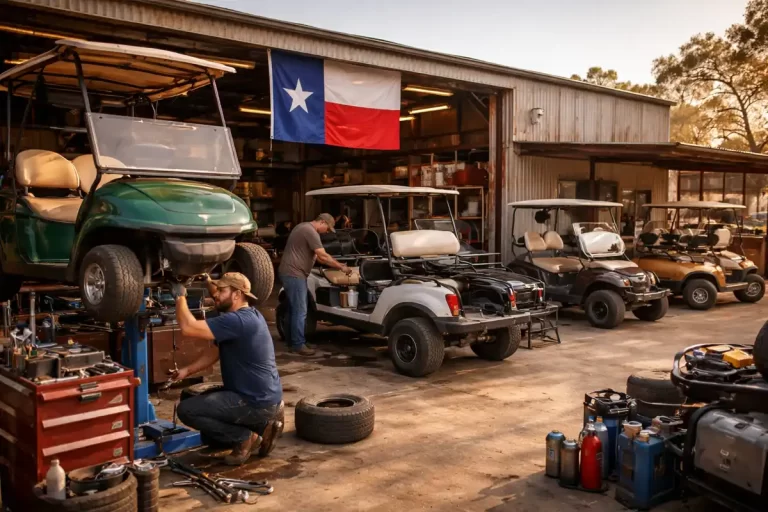
In the world of golf course and community operations, golf carts are far more than simple vehicles—they’re essential tools that support transportation, maintenance, guest experience, and staff productivity. As fleets grow in size and utilization, the complexity of managing them increases exponentially. The best way to manage this complexity is through administrative manual development—a process that builds detailed operational standards, policies, and procedures in a single, structured resource. This article explores why golf cart programs benefit from an administrative manual and how it enhances safety, consistency, and cost-control.
Why Golf Cart Fleets Need Standardized Procedures
Golf carts may appear uncomplicated, but in professional environments they carry significant responsibility. Carts are used daily for course logistics, guest transport, and event support. Without standardized procedures:
- Safety protocols may vary from operator to operator.
- Maintenance tasks can be inconsistently performed.
- Accountability and training quality can suffer.
- Costs related to repairs and liability may increase.
An administrative manual bridges these gaps by consolidating all policies, job roles, safety processes, and documentation into a comprehensive reference.
What Is Admin Manual Development?
At its core, administrative manual development is the process of creating a formal, structured resource that outlines how a specific program—such as golf cart fleet operations—should be run. This includes procedures, responsibilities, standards, and compliance measures.
For fleet managers and operations heads, developing a manual means capturing best practices and institutional knowledge into a document that supports training, decision-making, and accountability.
Key Sections Your Golf Cart Administrative Manual Should Include
An effective administrative manual for golf cart programs should be practical, easy to navigate, and comprehensive. Key topics to cover include:
1. Fleet Safety Protocols
One of the most important manual sections outlines safety procedures for operators and passengers. Include:
- Pre-ride safety checks
- Speed limitations in different areas
- Right-of-way rules and course etiquette
- Emergency response procedures
Safety standards protect guests, reduce incident risk, and establish operating norms that hold staff accountable.
2. Operator Qualification and Training
Not all employees will have the same experience operating a golf cart. Your manual should clearly define:
- Minimum qualifications for operators
- Training modules and assessment criteria
- Refresher training intervals
Structured training reduces accidents and builds confidence among staff.
3. Maintenance Schedules and Record Keeping
Like any vehicle, golf carts require regular maintenance. A manual should:
- Define daily, weekly, monthly checks
- Set standards for cleaning, battery care, tire pressure
- Explain how to document maintenance and repairs
Well-documented maintenance extends the life of the fleet and reduces breakdown costs.
4. Usage Policies
Clearly articulated usage rules help avoid misuse. Topics include:
- Authorized users and guest access
- Approved cart activities (e.g., driving on cart paths only)
- After-hours cart restrictions
Policies help protect your assets and reduce liability exposure.
5. Incident Reporting Procedures
An administrative manual should describe step-by-step how to report and review any accident or damage. Standardized reporting:
- Improves transparency
- Provides data for safety improvements
- Helps with insurance claims
Benefits of a Well-Crafted Administrative Manual for Golf Cart Programs
▶ Enhanced Safety Culture
An administrative manual makes safety expectations explicit. When staff have clear standards, compliance increases and accidents decrease. Regular reference to safety guidelines reinforces a culture where everyone looks out for one another.
▶ More Consistent Operations
When every operator uses the same procedures for maintenance, charging, parking, and usage, your golf cart fleet runs more smoothly. A manual ensures tasks don’t get overlooked or handled ad hoc.
▶ Reduced Costs and Downtime
Routine preventive maintenance outlined in a manual reduces wear and tear. When technicians and operators follow the same servicing standards, carts stay in service longer with fewer costly repairs.
▶ Improved Accountability and Performance
An administrator can more easily evaluate performance when expectations are codified. Staff know what’s expected, and managers have an objective benchmark for training and performance reviews.
▶ Better Onboarding and Training for New Employees
Instead of reinventing training for each new hire, a manual provides a consistent training curriculum and reference point. This accelerates onboarding and builds competence faster.
Real-World Application: Golf Courses, Resorts, and Communities
Whether it’s a private golf course, resort property, retirement community, or recreational facility, any organization that relies on a fleet of golf carts can benefit from a structured operational manual.
- Golf courses can enhance pace-of-play management and course safety.
- Resorts can standardize guest transport and staff operations.
- HOA and community managers can enforce clear usage policies that protect property values and resident satisfaction.
Administrative manual development is not a simple checklist; it’s a strategic investment in operational excellence.
How to Start Developing Your Administrative Manual
Here’s a practical roadmap:
- Assess your current operations: Identify what procedures exist, where gaps are, and what risks need addressing.
- Engage stakeholders: Get input from operators, supervisors, safety managers, and technicians.
- Document procedures step-by-step: Use clear language and define roles.
- Review legal and compliance needs: Ensure policies align with local regulations and insurance requirements.
- Train staff and review the manual regularly: Keep it up to date with changing needs or new insights.
Conclusion
Golf cart programs are a vital part of many recreational and operational environments. Treating them as casual, unmanaged assets can lead to inefficiencies, safety risks, and unnecessary costs. Administrative manual development brings clarity, accountability, and consistent standards to your operations.
When your team has a centralized resource that outlines expectations, procedures, and responsibilities, your golf cart fleet becomes safer, more reliable, and more cost-effective. Investing the time to create a strong administrative manual delivers long-term returns through improved performance, reduced risk, and enhanced satisfaction for both staff and users.