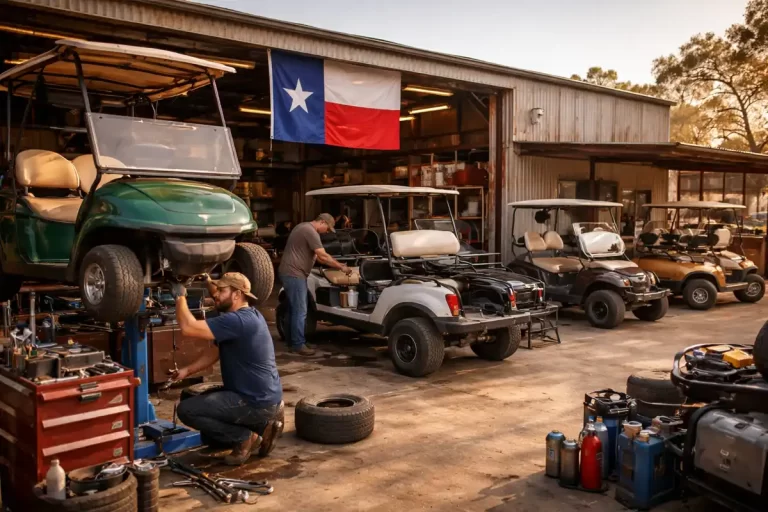
The golf cart industry has grown far beyond the fairway. Today, golf carts are used in residential communities, resorts, campuses, warehouses, and event venues across the country. As demand increases, so does the complexity of running a compliant and protected golf cart business.
Whether you sell, rent, customize, or repair golf carts, legal oversight plays a key role in protecting your investment and avoiding costly disputes. From liability concerns to business structuring, having the right legal foundation can help your operation stay on course as it grows.
The Expanding Risk Landscape in the Golf Cart Industry
Golf carts may seem low-risk compared to traditional vehicles, but business owners face a surprising number of legal challenges, including:
- Personal injury and liability claims
- Product modification disputes
- Sales and contract issues
- Employment and labor compliance
- Zoning and municipal regulations
- Insurance coverage gaps
As golf carts are increasingly used off-course—on streets, private roads, and commercial properties—the legal exposure for business owners continues to rise.
Why Proactive Legal Support Matters
Many golf cart businesses only seek legal help after a problem arises. However, proactive legal planning can prevent disputes before they start. This includes drafting solid contracts, ensuring regulatory compliance, and structuring the business to limit personal liability.
In the middle of running day-to-day operations, owners often overlook how valuable ongoing legal guidance can be. Access to legal services at Hein Law Office can provide business owners with the clarity and protection needed to operate confidently in a rapidly evolving industry.
Common Legal Needs for Golf Cart Businesses
A law firm experienced with small businesses and liability issues can assist golf cart companies in several key areas:
1. Business Formation and Structure
Choosing the right entity—LLC, corporation, or partnership—can protect personal assets and simplify taxes. Poor structuring early on can create expensive consequences later.
2. Contracts and Agreements
Clear sales agreements, rental contracts, service warranties, and vendor agreements reduce misunderstandings and help enforce your rights if disputes arise.
3. Liability and Risk Management
Attorneys can help identify liability risks related to cart modifications, passenger use, or off-road operation and ensure contracts and policies address those risks appropriately.
4. Regulatory Compliance
Local and state rules governing low-speed vehicles, licensing, and street use vary widely. Legal guidance helps ensure compliance with changing regulations.
5. Dispute Resolution
When conflicts with customers, suppliers, or competitors occur, early legal intervention can prevent escalation and costly litigation.
Supporting Long-Term Business Growth
As your golf cart business expands—whether through additional locations, fleet growth, or new services—legal needs evolve alongside it. Strategic legal planning supports scalability, protects your brand, and helps you navigate transitions smoothly.
Having a trusted legal partner allows business owners to focus on innovation and customer service instead of reacting to legal setbacks.
Final Drive: Stay Focused on the Fairway
The golf cart industry is full of opportunity, but success depends on more than just demand. Strong legal foundations help ensure your business stays compliant, protected, and positioned for long-term growth.
By addressing legal considerations early and partnering with experienced professionals, golf cart business owners can avoid unnecessary hazards and keep their operations running smoothly—on and off the course.