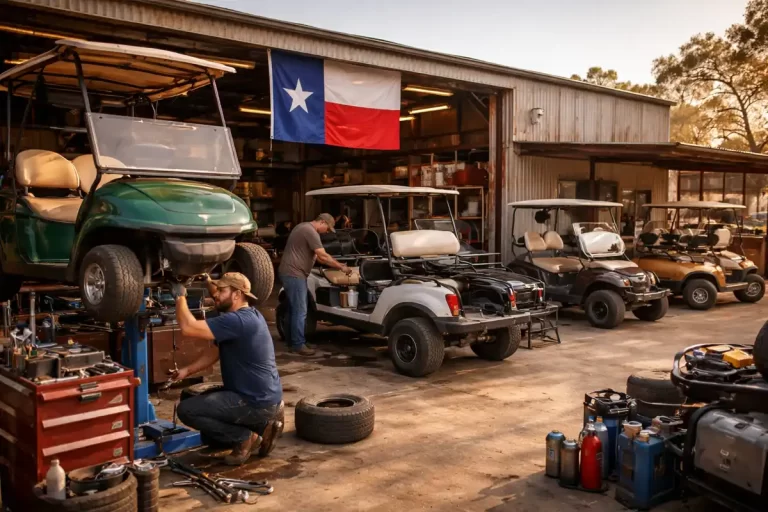
Buying a golf cart for the first time feels straightforward until you actually start shopping. Within an hour of browsing listings or walking a dealer lot, most buyers realize there are far more variables involved than they anticipated. Power type, seating capacity, speed ratings, battery specs, frame construction, warranty terms, and intended use all factor into whether a particular cart is genuinely right for you or just looks appealing on the surface. Shopping the right way from the start saves money, prevents regret, and gets you into a vehicle you will actually enjoy for years.
Start With How You Plan to Use It
Before you look at a single cart, spend time getting specific about how and where you intend to use it. This single step shapes every decision that follows and prevents you from being talked into something that does not actually fit your life.
Are you buying primarily for use on a golf course? A standard two or four-passenger cart with a basic electric drivetrain will likely serve you well without overcomplicating the purchase. Are you planning to use it around a large rural property or ranch? You will want to prioritize cargo capacity, ground clearance, and a powerful drivetrain that handles uneven terrain reliably. Is road use part of the picture? Then your search needs to focus specifically on low-speed vehicles that meet federal safety certification requirements, not just any cart with a headlight bolted on.
Being honest with yourself about your actual use case, rather than the idealized version, keeps your shopping focused and your budget intact.
New vs. Used: Weighing the Trade-Offs Honestly
The used cart market is large, active, and full of both genuine bargains and expensive mistakes waiting to happen. Understanding the real trade-offs between new and used helps you approach both sides of the market with clear eyes.
New carts come with manufacturer warranties, current battery technology, and the confidence of knowing the full history of the vehicle. They cost more upfront but carry less risk and typically require less immediate investment in repairs or upgrades. For buyers who want a turn-key experience and plan to keep their cart for many years, new often makes more financial sense than it initially appears.
Used carts can represent excellent value, particularly in the $3,000 to $6,000 range where well-maintained carts with reasonable hours are commonly available. The key is knowing what to inspect. Battery condition is the most critical factor in a used electric cart. A set of worn-out lead-acid batteries can cost $800 to $1,500 to replace, which can quickly erase the savings of a low purchase price. Ask for battery test results, check the age of the pack, and if possible have an independent technician evaluate the cart before you commit.
Understanding Battery and Drivetrain Options
The choice between electric and gas is one of the most consequential decisions in the buying process, and it deserves more thought than most buyers give it.
Electric carts dominate the market for good reasons. They are quiet, clean, inexpensive to operate, and increasingly capable as lithium battery technology has improved. A modern lithium-equipped electric cart charges faster, holds its charge longer in cold temperatures, and lasts significantly more charge cycles than a traditional lead-acid setup. If you are buying new and intend to use your cart regularly, paying extra for lithium batteries upfront is almost always worth it.
Gas-powered carts still have a place in the market, particularly for buyers who cover long distances, operate in very hilly terrain, or need the flexibility of quick refueling without access to a reliable charging setup. They require more maintenance and produce more noise and emissions, but for the right buyer in the right situation they remain a legitimate choice.
Hybrid buyers, those who want electric convenience but are worried about range, should look at higher-capacity lithium packs and fast-charging options before defaulting to gas. In most use cases, a quality lithium electric cart covers the distance comfortably.
What to Look for During a Test Drive
Never buy a cart without driving it first. A test drive reveals things that no specification sheet or listing photo can communicate. Pay attention to how the cart accelerates from a stop, how it handles at its top speed, how the brakes feel under moderate pressure, and whether the steering has any play or looseness. Listen for unusual sounds from the motor, suspension, or chassis. On an electric cart, check whether the battery gauge behaves consistently during the drive or shows erratic readings that could indicate a weak cell in the pack.
If you are evaluating a used cart, drive it over a bump or rough patch of ground deliberately. Worn suspension components and loose body panels announce themselves quickly when the road gets imperfect.
The Case for Buying From a Reputable Dealer
Private party purchases can save money, but they come without recourse if something goes wrong after the sale. A reputable dealer offers warranties, service departments, parts inventory, and accountability that a private seller simply cannot match.
For buyers in the Rocky Mountain region, working with a trusted golf cart dealership in Colorado makes particular sense given the state’s specific registration requirements, road use laws, and terrain considerations. A knowledgeable local dealer understands which models are already compliant for Colorado road use, can help navigate the titling and registration process, and will be available for ongoing service long after the purchase is complete. That relationship has real value, especially for first-time buyers who are still learning the ins and outs of cart ownership.
Asking the Right Questions Before You Sign
A few targeted questions can reveal a lot about both the cart and the dealer. Ask how old the battery pack is and whether test data is available. Ask what the warranty covers and for how long. Ask whether the cart has ever been in a collision or had major repairs. Ask what the service turnaround time typically looks like and whether common parts are stocked on site. A dealer or seller who answers these questions openly and without hesitation is almost always one worth doing business with.
Getting the Accessories and Upgrades Right
Most buyers underestimate how much they will spend on accessories and upgrades after the initial purchase. Windshields, enclosures, cargo beds, upgraded seats, USB charging ports, lighting packages, and all-terrain tires are all popular additions that add up quickly.
The smarter approach is to identify which accessories are genuinely important to your use case before you buy and factor them into your total budget from the start. Some dealers will package accessories into the purchase price, which can save money compared to sourcing them separately after the fact.
The Right Purchase Takes Patience
Rushing a golf cart purchase is one of the most common and avoidable mistakes buyers make. Taking two or three weeks to research brands, visit multiple dealers, test drive different models, and compare total ownership costs rather than just sticker prices almost always leads to a better outcome. The cart market has plenty of good options at every price point. The goal is finding the right one for your specific situation, not just the first one that seems close enough.