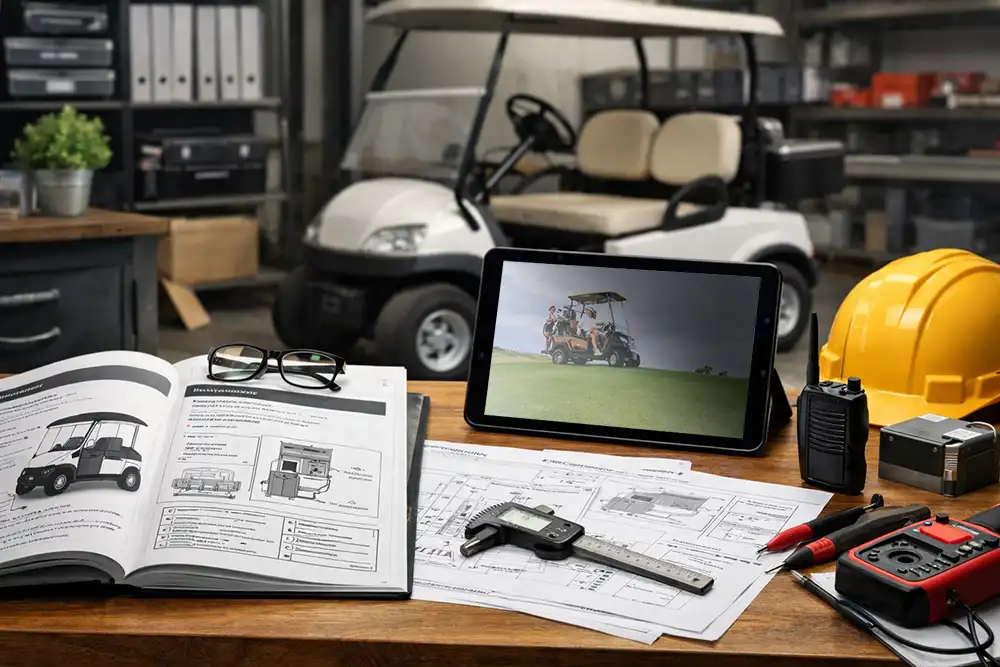
The golf cart industry has grown far beyond golf courses. Today, golf carts are used across resorts, gated communities, industrial facilities, warehouses, universities, and municipal environments. As the industry expands, manufacturers face increasing demands for safety compliance, product clarity, regulatory documentation, and customer education. This is where professional documentation services become an essential business asset rather than an optional add-on.
From user manuals and maintenance guides to compliance documentation and technical specifications, well-structured documentation supports every stage of a golf cart’s lifecycle. For manufacturers and OEMs, investing in high-quality documentation services improves product adoption, reduces liability risks, and strengthens brand credibility in a competitive marketplace.
Why Documentation Matters for Golf Cart Manufacturers
Golf carts may appear simple on the surface, but modern models are complex machines. Electric drivetrains, lithium battery systems, onboard electronics, safety controls, and customization options require clear and accurate explanations. Poor or unclear documentation can lead to improper use, increased warranty claims, safety incidents, and dissatisfied customers.
Professional documentation services help manufacturers translate complex engineering details into clear, accessible language. This ensures operators, maintenance teams, dealers, and end users understand how to safely and effectively use the product. In regulated environments, documentation also serves as a legal safeguard by demonstrating compliance with industry standards and safety requirements.
Types of Documentation Used in the Golf Cart Industry
Manufacturers in the golf cart sector rely on a wide range of documentation to support production, distribution, and after-sales service. Common documentation types include:
- Product user manuals explaining operation, safety guidelines, and basic troubleshooting
- Maintenance and service manuals for technicians and authorized service centers
- Installation and assembly guides for customized or modular components
- Technical specifications sheets for dealers, procurement teams, and fleet buyers
- Compliance and regulatory documentation aligned with industry and regional requirements
- Training materials for dealers, distributors, and internal staff
Each document serves a specific audience and purpose, making consistency, clarity, and accuracy critical across all materials.
Supporting OEMs and Component Manufacturers
Golf cart manufacturers often work with multiple component suppliers, including battery manufacturers, motor suppliers, controller manufacturers, and accessory providers. Documentation services help consolidate information from different sources into a unified, branded document set.
This is particularly important for OEMs who must ensure consistency across models and configurations. Professional technical writers collaborate with engineers, product managers, and compliance teams to ensure that documentation reflects the final product accurately while remaining user-friendly.
Compliance, Safety, and Risk Reduction
Safety is a major concern in the golf cart industry, especially as vehicles are used in non-traditional environments like factories, campuses, and public roadways. Clear safety warnings, operating instructions, and maintenance schedules help reduce accidents and misuse.
Well-documented products also help manufacturers protect themselves legally. In the event of a claim or audit, thorough documentation demonstrates that the manufacturer provided clear guidance and warnings. This makes documentation services an important part of a broader risk management strategy.
The Role of Regional Expertise in Documentation
Manufacturers operating in the Midwest often benefit from working with documentation providers who understand regional manufacturing standards and workflows. For example, companies seeking product manuals can gain value from providers familiar with local manufacturing ecosystems and regulatory expectations.
One example is professional technical writing support offered through
product manual writing services in Wisconsin, which focuses on creating clear, compliant, and well-structured manuals tailored to manufacturing and industrial products. Regional expertise can streamline collaboration and ensure documentation aligns with industry best practices.
Improving Customer Experience and Brand Perception
Documentation is often the first and most frequent point of interaction customers have with a product after purchase. Clear manuals and guides reduce frustration, speed up onboarding, and improve overall satisfaction. For fleet buyers and commercial customers, professional documentation signals reliability and professionalism.
Manufacturers that invest in high-quality documentation often see fewer support calls, lower return rates, and stronger brand loyalty. In an industry where many products appear similar, documentation quality can become a subtle but powerful differentiator.
Documentation as a Scalable Business Asset
As golf cart manufacturers introduce new models, electric technologies, and smart features, documentation must scale alongside product innovation. Structured documentation processes allow companies to update manuals efficiently, maintain consistency across product lines, and support international expansion when needed.
Rather than treating documentation as a last-minute task, forward-thinking manufacturers integrate documentation services into their product development cycle. This approach reduces delays, improves accuracy, and ensures readiness at launch.
Conclusion
The golf cart industry continues to evolve, driven by new use cases, advanced technology, and stricter compliance expectations. In this environment, professional documentation services are no longer optional—they are essential. From improving safety and compliance to enhancing customer experience and brand trust, well-crafted documentation supports manufacturers at every level.
For golf cart manufacturers and suppliers looking to strengthen their operations, investing in expert documentation services is a practical step toward long-term success.